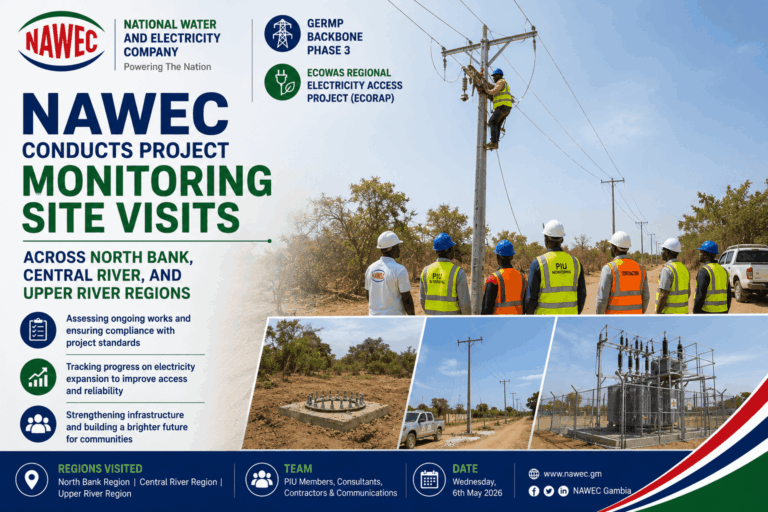
From the North Bank to the Upper River — NAWEC’s Project Implementation Unit takes accountability to the ground, visiting active infrastructure sites under the GERMP Backbone Phase 3 and ECOWAS Regional Electricity Access Project to ensure every pole, every cable, and every community connection meets the standard.
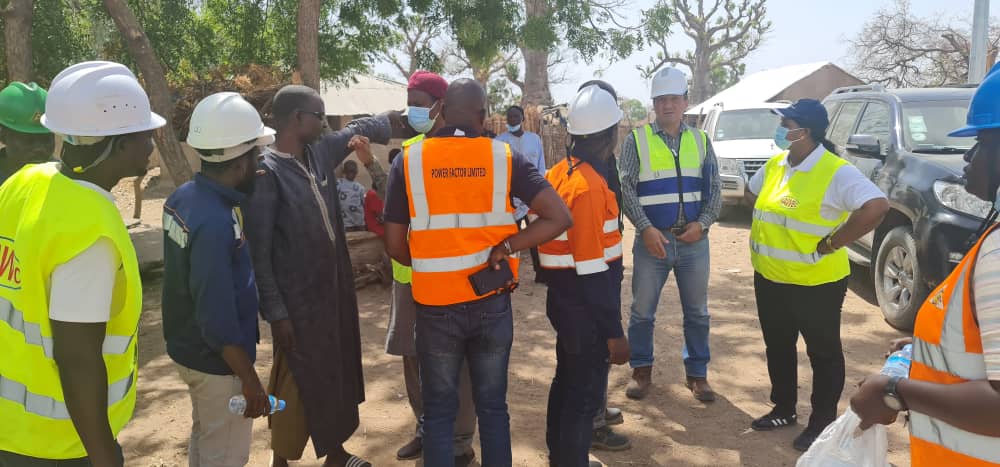
Accountability in infrastructure delivery does not end at the office desk. On Wednesday, 6 May 2026, the NAWEC Project Implementation Unit (PIU) put that principle into action, embarking on a full-day supervision and monitoring mission that spanned the North Bank Region (NBR), the Central River Region (CRR), and the Upper River Region (URR) — covering active construction sites under two of The Gambia’s most significant electricity expansion programmes.
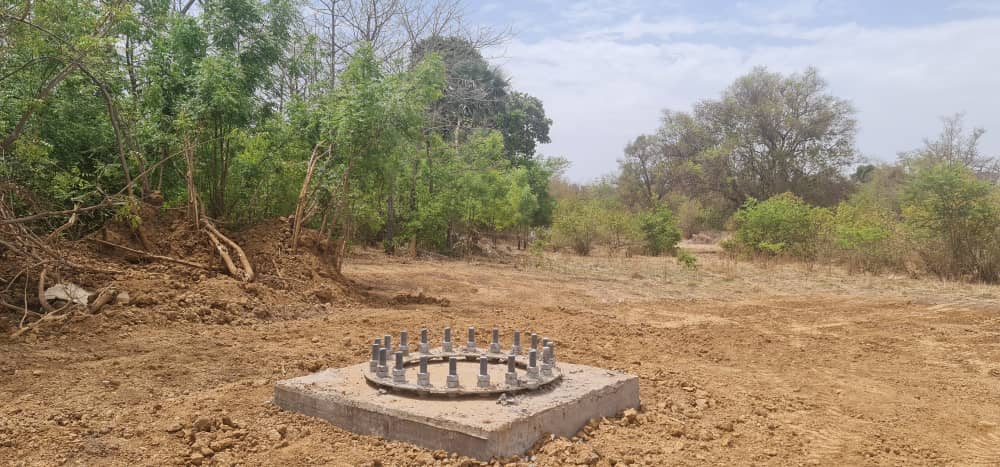
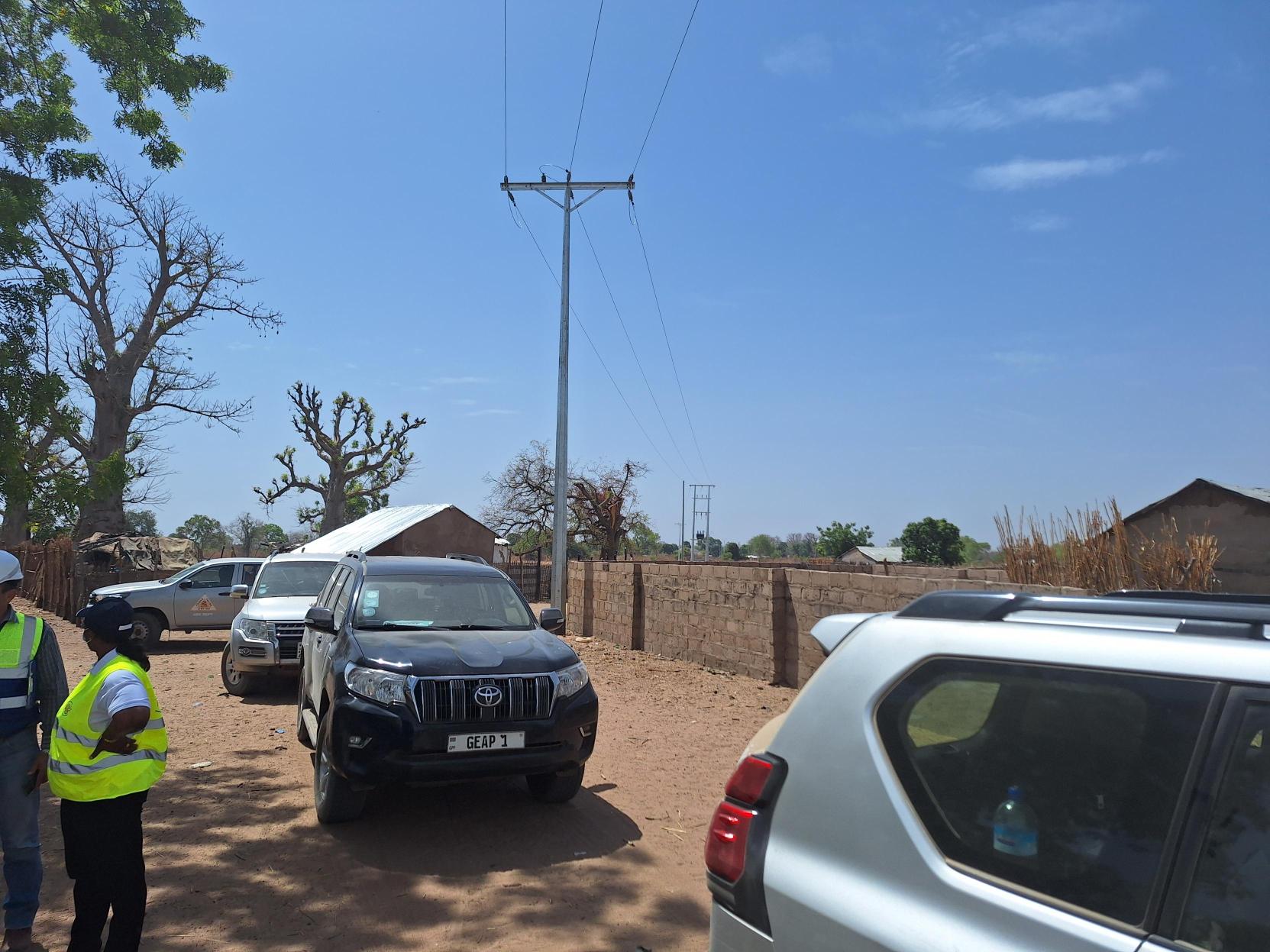
The mission, targeting works under the GERMP Backbone Phase 3 and the ECOWAS Regional Electricity Access Project (ECOREAP), brought the PIU team face-to-face with the realities of on-the-ground implementation — the infrastructure being erected, the contractors doing the work, and the communities whose daily lives this investment is designed to transform.
From North to East: The Day’s Journey
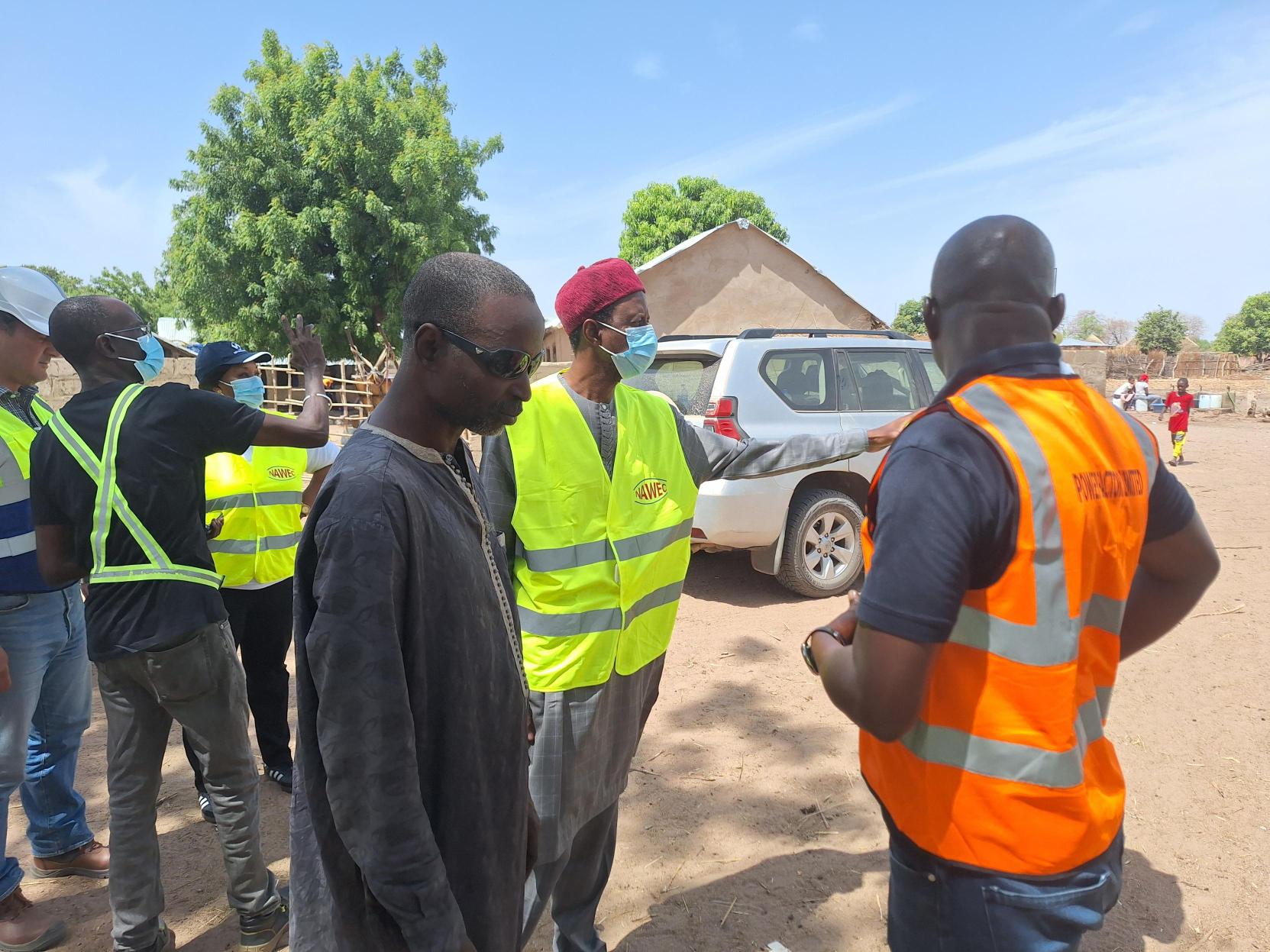
The team commenced the day in the North Bank Region at Fass Omar Saho, where initial site inspections were conducted before the convoy moved on to Gallo Yaa. These early stops set the tone for the mission — methodical, detailed, and attentive to compliance with the technical and environmental standards governing both projects.
The delegation then crossed into the Central River Region, making a critical stop at Bush Town, where ongoing installation works were assessed and field personnel engaged directly. The visit allowed PIU specialists to review site conditions firsthand and address any emerging implementation challenges with contractors on the ground.
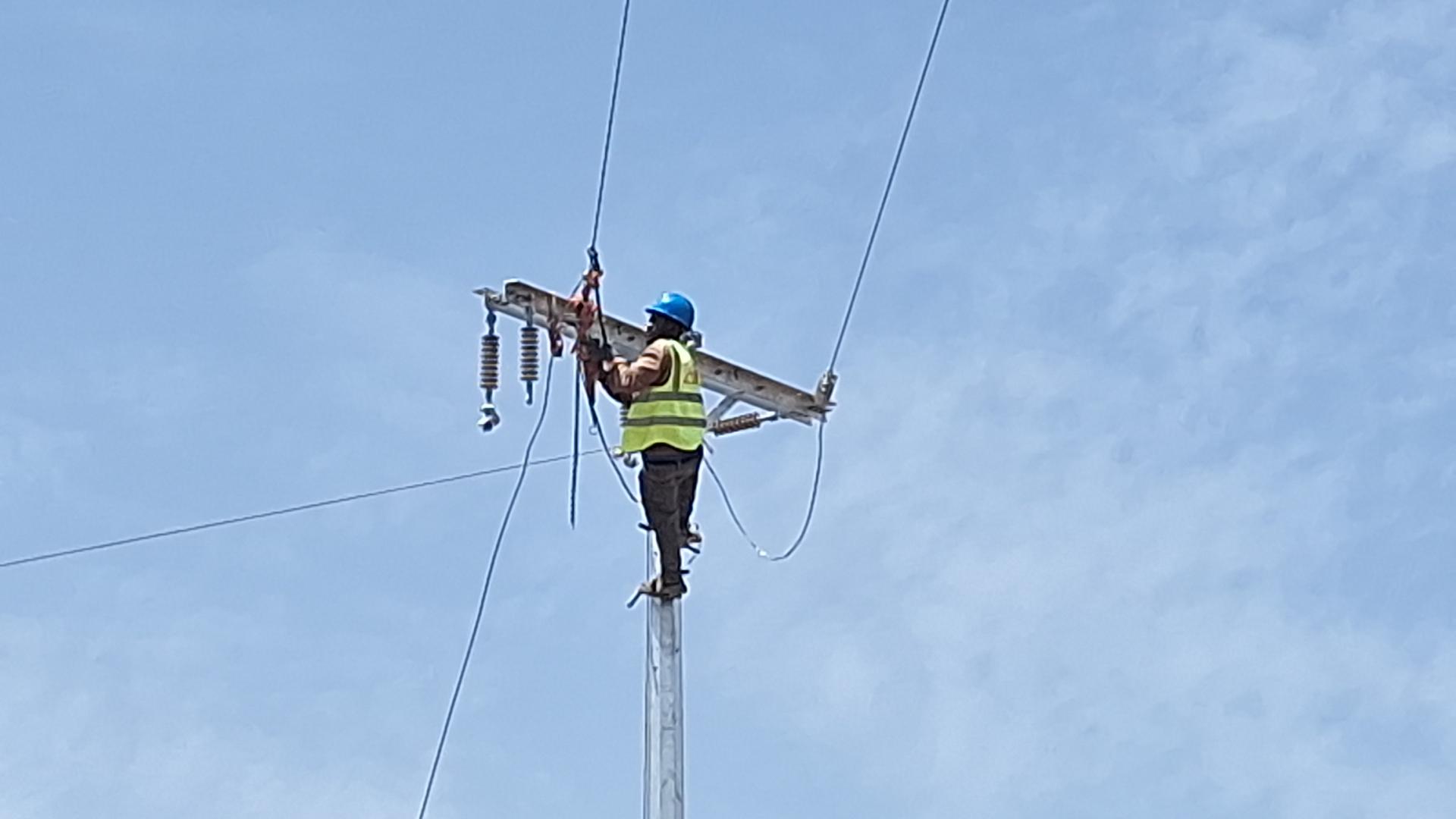
The afternoon took the mission team deep into the Upper River Region, where the most significant infrastructure works of the day were observed. At Fatoto Bridge, the PIU inspected critical civil and electrical works designed to support the extension of power supply across the river crossing — a complex and strategically important element of the regional grid expansion. The visit concluded at Koina before the team retired to Basse for an overnight stay ahead of continuing the mission.
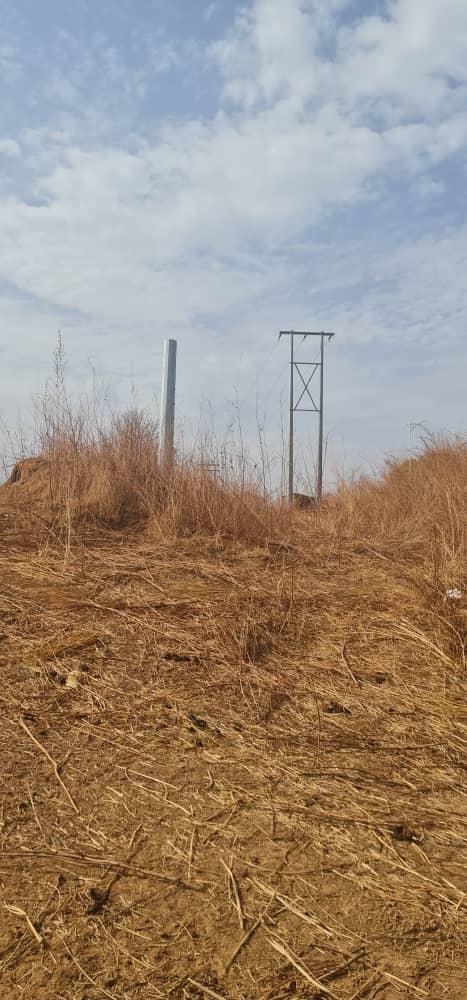
“These projects form part of NAWEC’s broader efforts to expand electricity access, strengthen infrastructure, and improve service delivery in underserved communities across The Gambia — and monitoring missions like this are how we ensure delivery matches the promise.”
What the Team Assessed
Throughout the day, the PIU team engaged field personnel directly, reviewed installation records, and evaluated site conditions against project benchmarks. The purpose was not merely to observe but to actively verify — ensuring that the physical works on the ground are aligned with approved designs, environmental and social safeguard requirements, and the timelines that have been committed to donors and communities alike.
The Team on the Ground
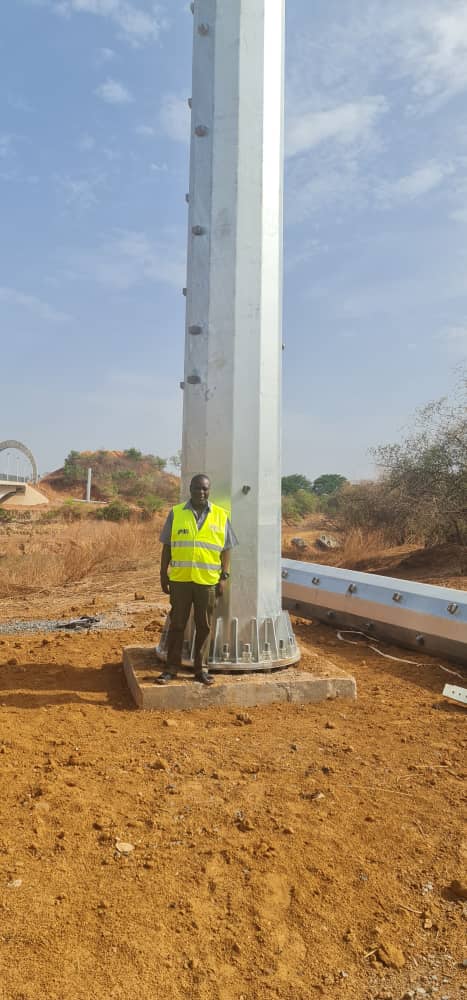
The monitoring mission brought together a cross-disciplinary team from the PIU, complemented by contractors and technical consultants operating at each site. This multi-expert composition ensured that every dimension of project performance — technical, environmental, social, and administrative — was assessed with specialist eyes.
What This Mission Delivers
Key Objectives and Outcomes of the Monitoring Mission
- Assessment of ongoing construction works across the North Bank, Central River, and Upper River Regions — ensuring physical progress matches approved plans and schedules
- Verification of compliance with project technical standards, environmental safeguards, and social protection requirements at each site
- Direct engagement with contractors and field personnel — addressing implementation challenges in real time and reinforcing accountability at the worksite level
- Evaluation of the Fatoto Bridge infrastructure — a strategically critical element of the grid extension into the Upper River Region
- Data and observations from this mission will feed directly into PIU monitoring and evaluation reports submitted to project financiers and the World Bank
Supervision and monitoring missions of this nature are a cornerstone of responsible project implementation. They signal to communities, contractors, and development partners alike that NAWEC holds itself accountable — not just for plans approved on paper, but for works delivered on the ground. The information gathered during this mission will inform PIU reporting, support timely corrective action where needed, and contribute to the evidence base that guides the continued delivery of electricity access across The Gambia.
NAWEC remains committed to delivering these transformative projects with the transparency, rigour, and community focus that both the people of The Gambia and its development partners expect and deserve.