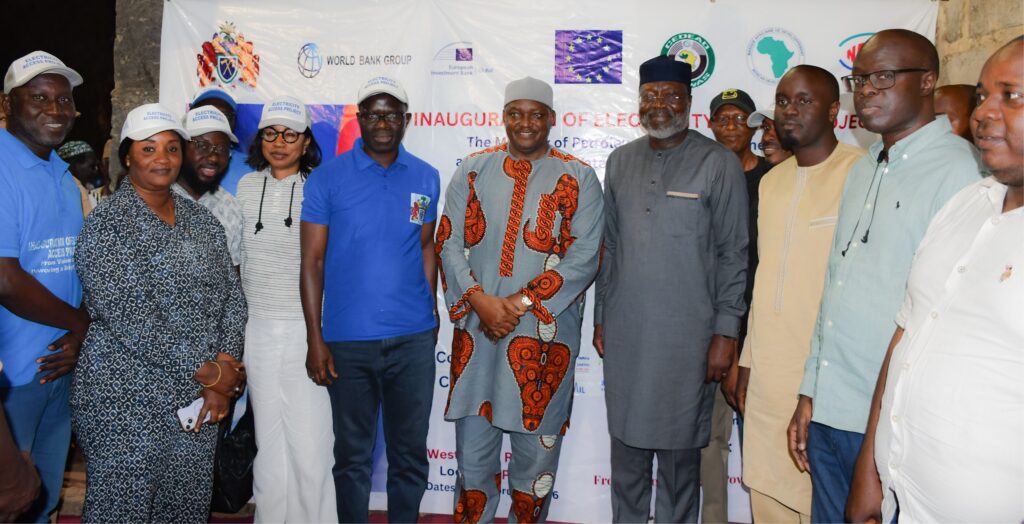
The National Water and Electricity Company (NAWEC), in partnership with the Ministry of Petroleum and Energy (MOPEM) and regional development partners, has successfully concluded the nationwide rural electrification inauguration tour, marking a historic leap in The Gambia’s journey toward Universal Access to Electricity by 2026.
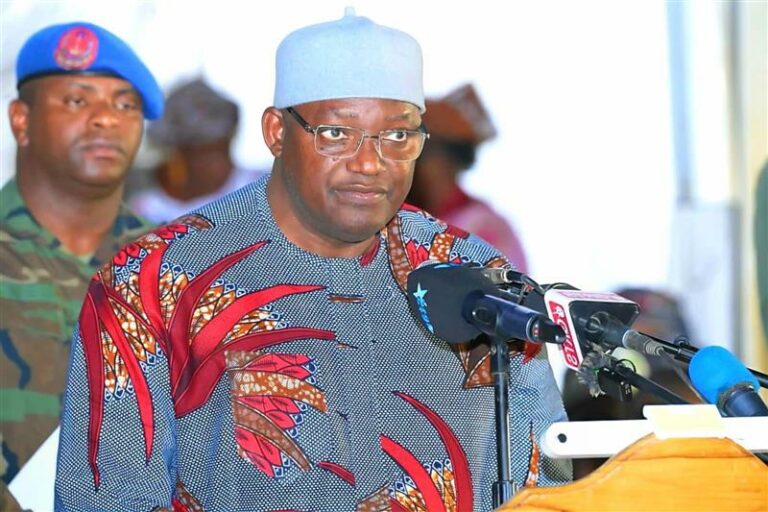
Over eight days, H.E. President Adama Barrow, accompanied by Cabinet Ministers, NAWEC leadership, regional authorities, and international partners, travelled across multiple regions to commission new electricity infrastructure under the ECOWAS Regional Electricity Access Project (ECOREAP) and complementary national grid‑expansion programmes.
From the North Bank to the West Coast Region, communities witnessed long-awaited celebrations as energized lines and transformers illuminated homes, schools, health centres, and local businesses—many experiencing electricity for the first time.
A Transformative National Achievement
With the support of ECOWAS, the World Bank, European Investment Bank (EIB), and European Union (EU), NAWEC has expanded electricity access from 73% to 90%, connecting over 52,000 additional households in 719 communities nationwide.
Development partners commended The Gambia for delivering one of the most ambitious rural electrification expansions in West Africa — ahead of the global SDG 7 target.
DAY‑BY‑DAY HIGHLIGHTS OF THE INAUGURATION TOUR
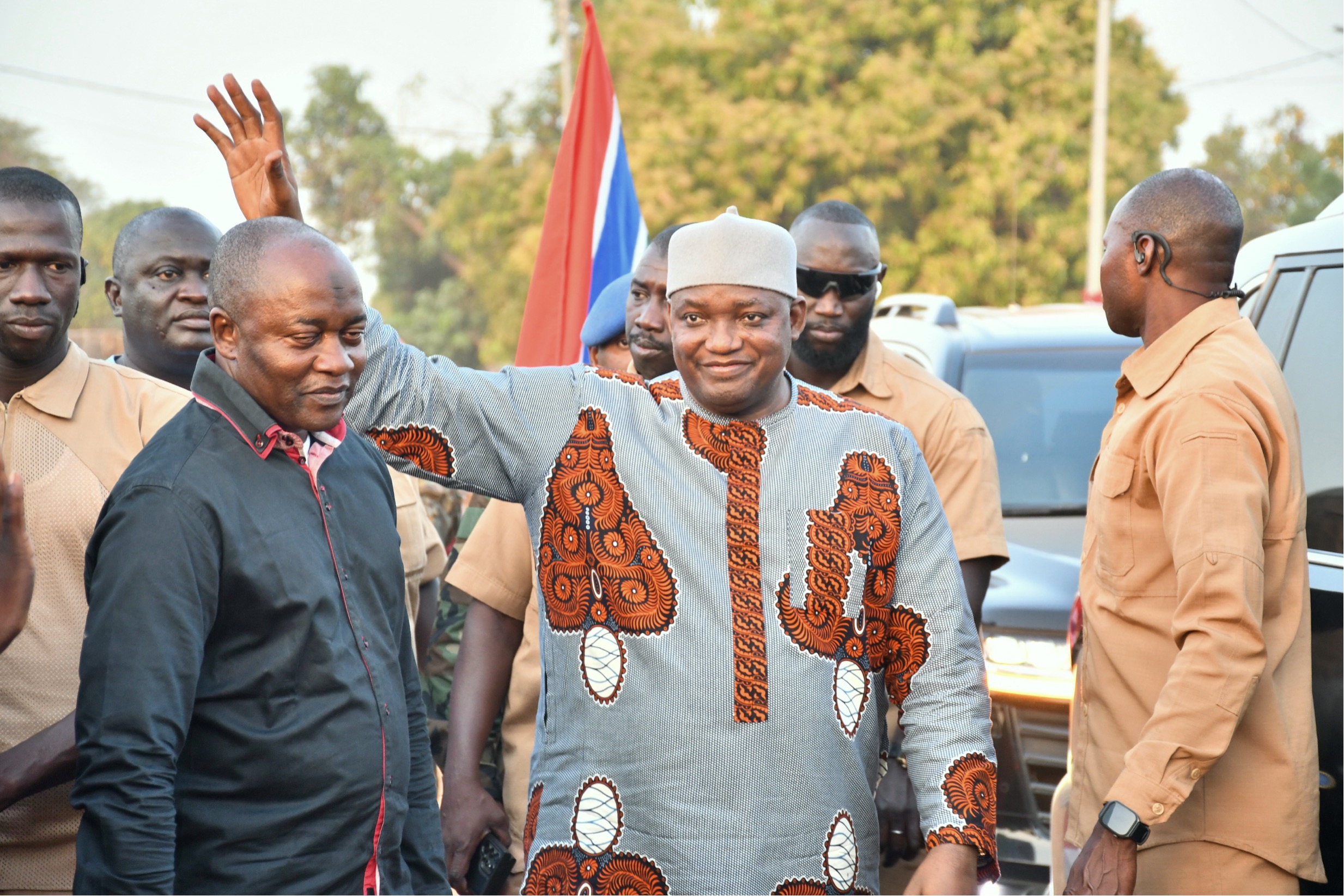
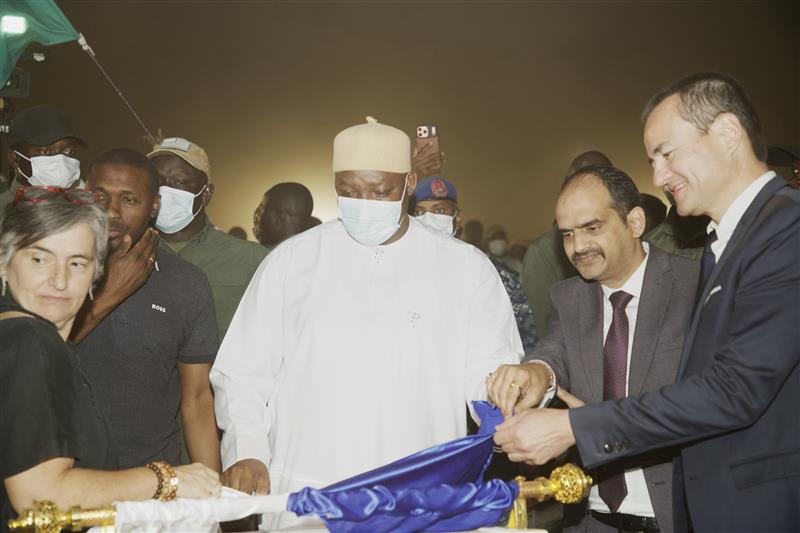
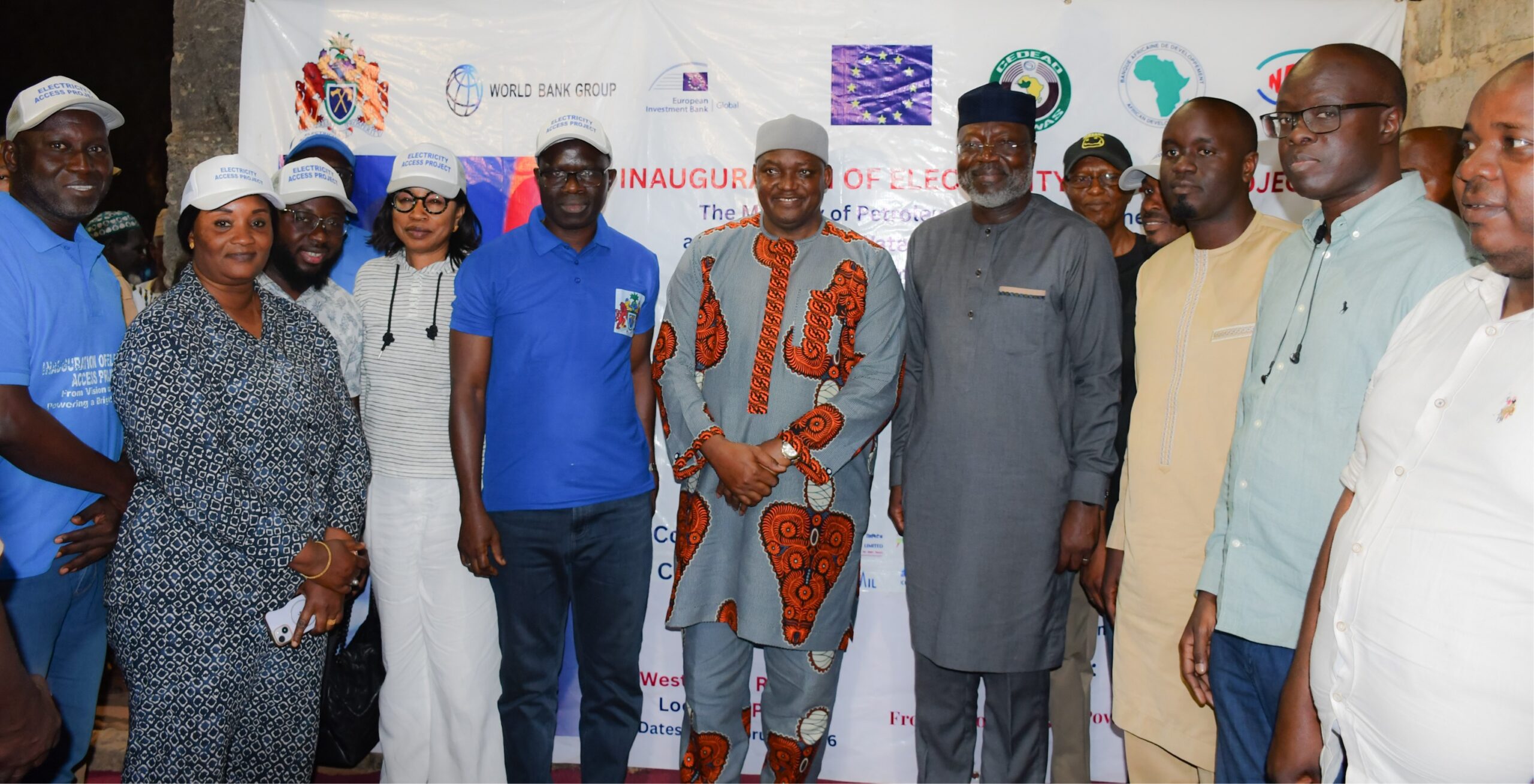
Day 1 – Njongon (North Bank Region)
The national tour began in Njongon, where President Barrow energized distribution networks serving surrounding communities. Residents celebrated access to power that will support local enterprise, education, and social development.
Day 2 – Panchang (Central River Region – North)
Thousands welcomed the President as Panchang lit up for the first time. The inauguration brought electricity to one of CRR‑North’s busiest trading zones, strengthening livelihoods and supporting women-led businesses.
Day 3 – Jah Kunda (Upper River Region)
In Jah Kunda, electricity was commissioned for 202 communities across URR. Youth and families expressed overwhelming joy as electricity reached their households—opening new opportunities in digital learning, security, and commerce.
Day 4 – Kumbija (Upper River Region)
Kumbija and nearby communities including Sotuma Samba, Hella Kunda, and Sare Mansong were energized. Development partners reaffirmed their commitment to rural energy expansion.
Day 5 – Boiram (Central River Region)
Boiram witnessed the commissioning of long-awaited electricity infrastructure. The President of ECOWAS delivered a keynote speech recognizing The Gambia’s progress under regional electricity access programmes.
Day 6 – Sutukung (Lower River Region)
Families in Sutukung celebrated as new electricity lines were energized. Additional transformers were switched on in Barrow Kunda, Dongoroba, and Boiba, extending the reach of the distribution network.
Day 7 – Kampassa (West Coast Region)
In Kampassa, new lines and transformers were energized, serving Jonkel, Chabai, and Wassadu. Communities welcomed the new infrastructure with musical performances and traditional celebrations.
Day 8 – Pirang (West Coast Region)
The nationwide tour concluded in Pirang, where President Barrow energized the final set of transformers powering Kuloro, Missirangding, and Serrekundading. The event celebrated the completion of an unprecedented national electrification rollout.
Electricity as a Driver of National Growth
Electricity access is transforming daily life across The Gambia:
- Education: students now benefit from evening study hours and access to digital learning
- Healthcare: clinics can refrigerate vaccines, power diagnostics, and run equipment reliably
- Business: small enterprises can expand into refrigeration, welding, milling, and ICT services
- Security: improved lighting enhances safety in public spaces
- Women’s Empowerment: increased opportunities for small-scale processing and market trade
- Community Development: electrification supports mosques, schools, and community centres
Electricity is unlocking social and economic potential across rural and peri‑urban areas.
Partner Recognition
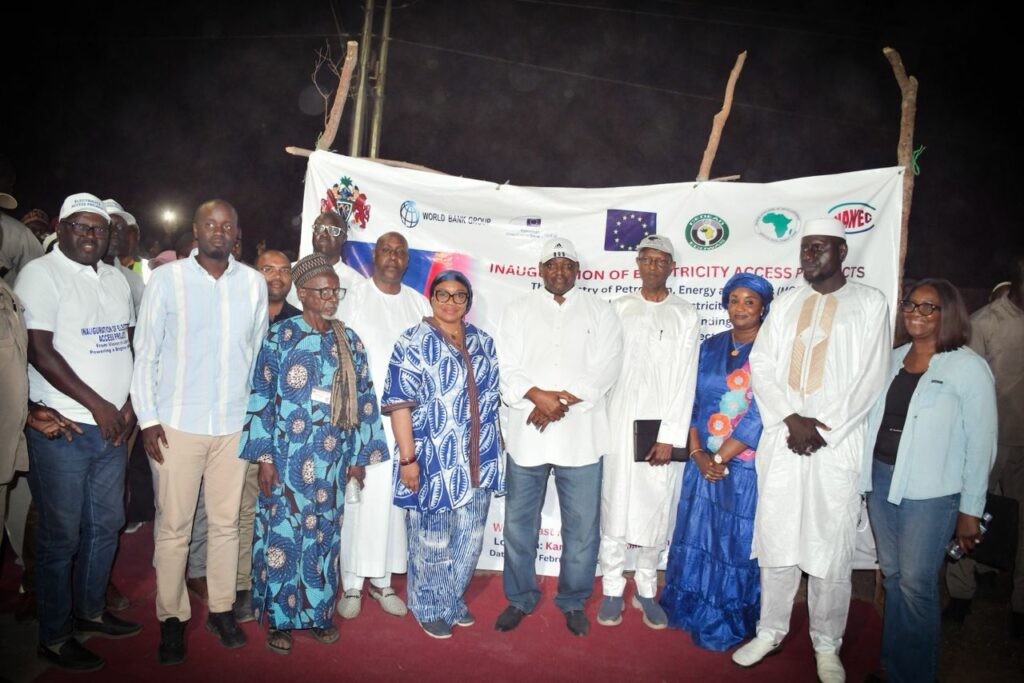
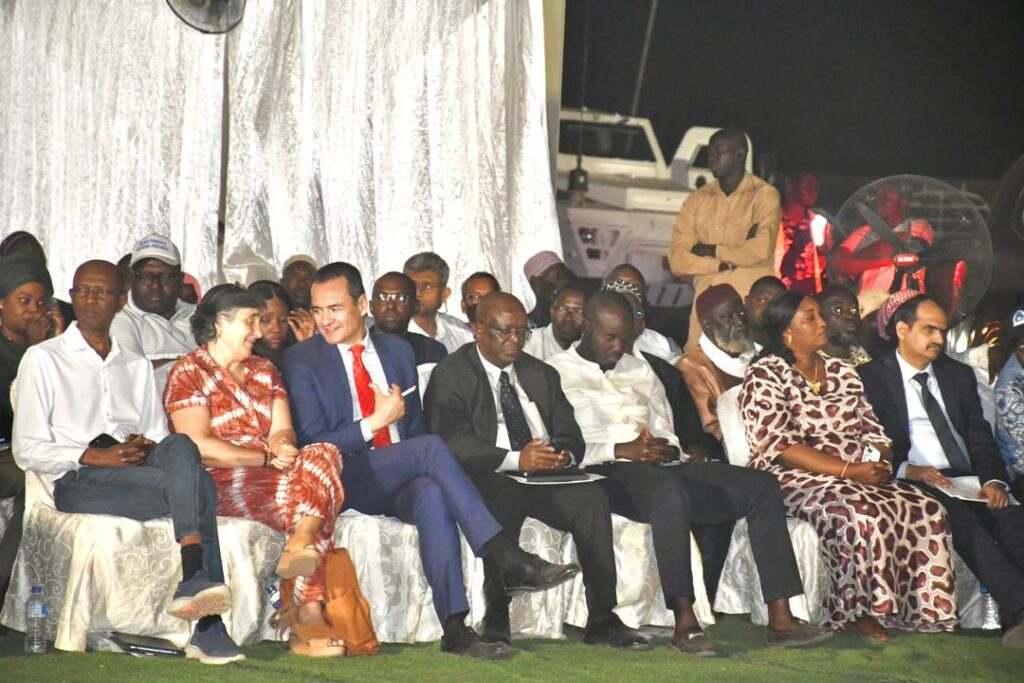
The ECOWAS delegation, EU representatives, EIB team, and World Bank partners commended NAWEC for its commitment to expanding energy access, enhancing reliability, and supporting inclusive economic growth.
They emphasized ECOREAP’s role in strengthening rural economies, improving service delivery, and enabling sustainable development.
A National Commitment to Universal Access
President Barrow reaffirmed his administration’s goal of ensuring that every Gambian—regardless of region or village size—benefits from modern, reliable electricity.
NAWEC leadership highlighted the need to continue reinforcing transmission capacity, expanding last‑mile connections, and improving customer service as newly connected communities integrate into the national grid.
Conclusion
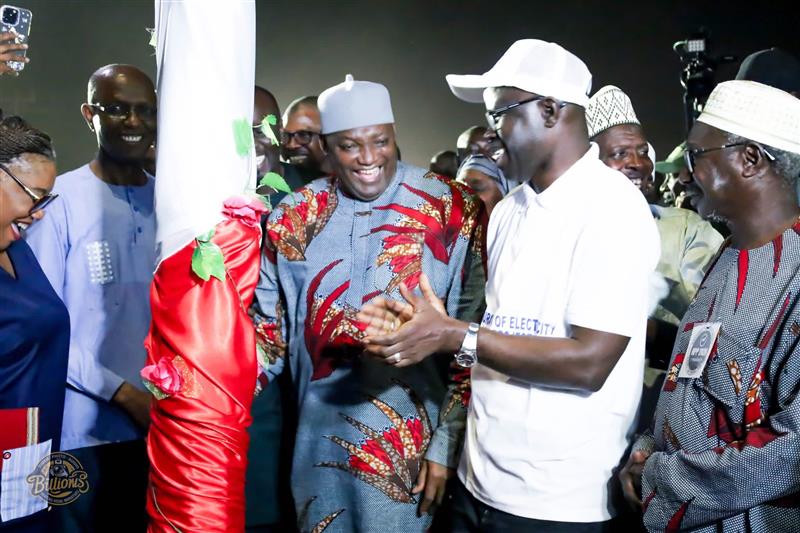
With the completion of this nationwide inauguration series, The Gambia stands on the threshold of a brighter, more connected future. NAWEC remains committed to powering communities, enabling opportunities, and transforming lives across the nation.